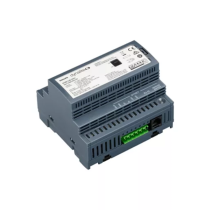
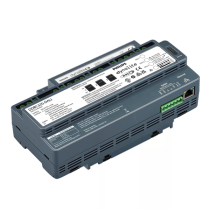
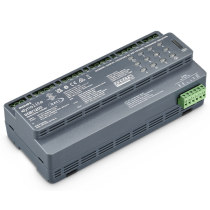
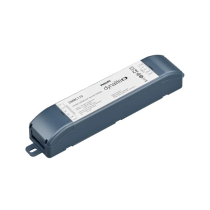
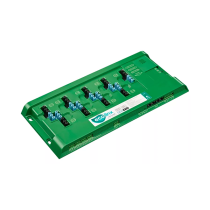
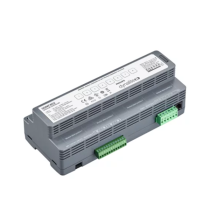
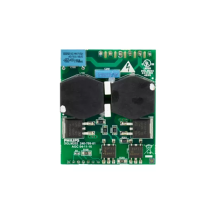
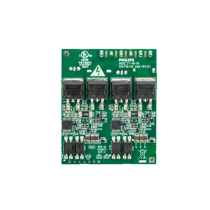
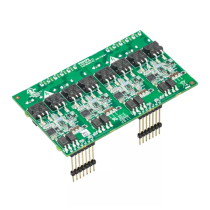
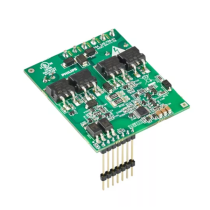
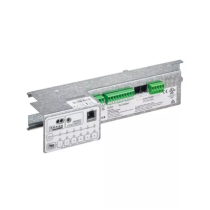
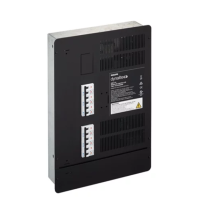
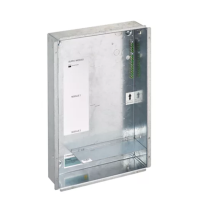
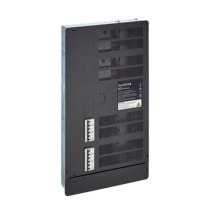
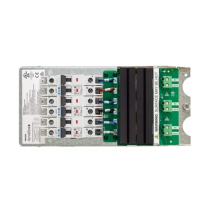
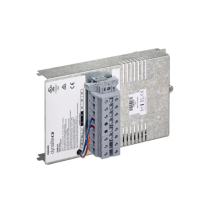
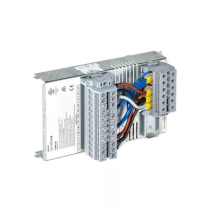
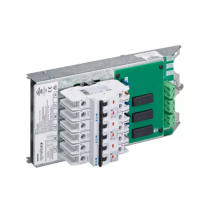
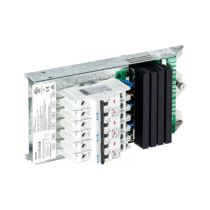
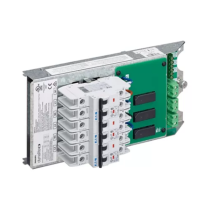
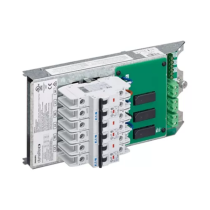
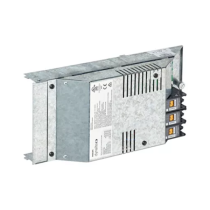
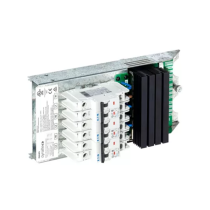
What Dynalite Load Controllers Do
Dynalite load controllers provide precise dimming and control of lighting loads within a Dynalite lighting control system. They are responsible for managing how light levels change, ensuring smooth transitions, stable performance, and consistent visual quality across a space.
Unlike relay controllers, load controllers are designed specifically for dimmable lighting circuits, including LED, DALI, and legacy sources. They allow lighting to be adjusted manually, via scenes, or automatically through sensors and schedules.
In hospitality and commercial environments, load controllers play a crucial role in creating an atmosphere, supporting energy efficiency, and maintaining consistent lighting across guest-facing and operational areas.
Where Load Controllers Are Used in Hospitality
Load controllers are most commonly specified in areas where lighting quality, ambience, and flexibility are essential.
Typical hospitality applications include:
- Guest rooms and suites
- Restaurants, bars, and lounges
- Reception areas and public spaces
- Conference rooms and event spaces
In these environments, the ability to finely control light levels supports comfort, brand identity, and operational flexibility. Load controllers allow scenes to be recalled instantly, adapting lighting to different times of day or modes of use without compromising visual comfort.
Leading-Edge, Trailing-Edge & DALI Control
Dynalite load controllers are available in multiple configurations to suit different lighting technologies and project requirements.
- Trailing-edge dimming is commonly specified for modern LED lighting, offering smooth dimming and reduced risk of flicker.
- Leading-edge dimming is typically used for compatible legacy loads or specific transformer-based applications.
- DALI control provides digital, addressable control of individual luminaires, enabling advanced scene setting, fault monitoring, and future flexibility.
Selecting the correct dimming method is critical to performance and longevity. Incorrect pairing of controller and load can result in flicker, limited dimming range, or premature component failure.
LED Compatibility & Performance Considerations
LED performance is heavily influenced by the quality of the control hardware. Dynalite load controllers are designed to deliver stable, flicker-free dimming when correctly specified and commissioned.
Key considerations include minimum load requirements, driver compatibility, and dimming curves. In hospitality environments, where poor dimming performance is immediately noticeable to guests, careful planning at the specification stage is essential.
Lightsave supports this process by advising on suitable controller types, compatible LED luminaires, and system configuration—helping avoid costly remedial work later in the project.
Integration, Programming & Commissioning
Load controllers integrate fully with the wider Dynalite system, responding to wall controls, touch panels, sensors, and central management interfaces.
During programming and commissioning, lighting scenes, fade times, and dimming behaviour are configured to match how each space is used. This ensures that lighting transitions feel natural and intuitive, rather than abrupt or inconsistent.
Load controllers can also form part of broader automation strategies, such as adjusting light levels based on occupancy, time schedules, or operational modes defined by facilities teams.
Talk to Lightsave About Specification & Procurement
Lightsave works closely with consultants, contractors, and hospitality operators to support the specification, procurement, and delivery of Dynalite load controllers.
As a Signify Gold Partner with a strong focus on hospitality projects, we help ensure load controllers are correctly selected for each application—balancing performance, compatibility, and commercial considerations.
Whether you’re specifying a new Dynalite system, upgrading an existing installation, or planning an iLight replacement, our team can provide technical guidance and procurement support tailored to your project.