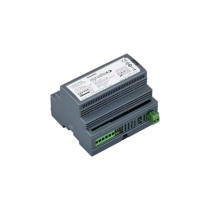
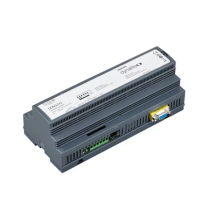
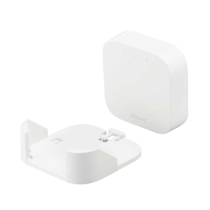
What Dynalite Integration Devices Do
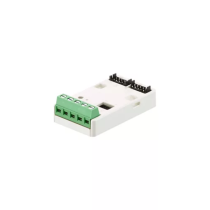
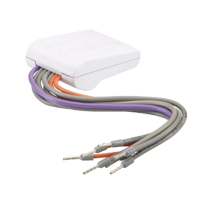
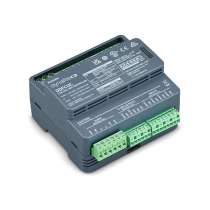
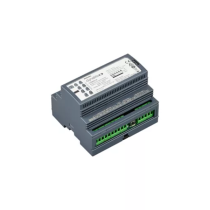
Dynalite integration devices allow the lighting control system to communicate with external platforms and technologies, extending control beyond standalone lighting operation. They enable lighting to interact intelligently with building management systems (BMS), room management systems (RMS), AV systems, and other third-party technologies.
These devices act as the bridge between the Dynalite control network and wider building infrastructure. In hospitality environments, this integration supports automation, operational efficiency, and a consistent guest experience across lighting and non-lighting systems.
Integration devices are a critical component in larger or more complex projects, where lighting must respond dynamically to occupancy status, time schedules, or operational modes set by facilities teams.
Where Integration Devices Are Used in Hospitality
In hotel and hospitality projects, integration devices are most commonly used where lighting control needs to align with operational workflows and guest interaction systems.
Typical applications include:
- Guest room lighting linked to keycard or room management systems
- Public areas coordinated with BMS time schedules and energy strategies
- Conference and event spaces integrated with AV and control systems
- Central monitoring of lighting status across multi-site or large estates
By integrating lighting with other systems, operators gain better visibility, control, and consistency—while reducing manual intervention for staff.
Integration with BMS, RMS & Third-Party Systems
Dynalite integration devices support structured communication with building management systems and third-party platforms using established integration methods. This allows lighting to respond automatically to inputs such as occupancy, time of day, or system-wide operational states.
For example, lighting scenes can change based on room occupancy, public area lighting can align with energy-saving schedules, and maintenance teams can monitor system performance centrally. This level of integration is particularly valuable in hospitality environments operating around the clock.
Proper integration design ensures that lighting control enhances, rather than complicates, building operations.
Design & Specification Considerations
Specifying integration devices requires careful planning to ensure compatibility, security, and long-term flexibility. Considerations include system architecture, network structure, and how lighting control data will be exchanged with other platforms.
It’s also important to define which system acts as the “master” for certain functions—for example, whether lighting follows room management status or operates independently with shared triggers.
Lightsave supports consultants and engineers at the design stage to ensure integration devices are correctly specified within the wider Dynalite system, avoiding conflicts and unnecessary complexity.
Programming, Commissioning & Ongoing Support
Integration devices rely on correct programming and commissioning to ensure reliable communication between systems. This includes configuring triggers, responses, and fail-safe behaviour to maintain lighting operation even if external systems are unavailable.
Once commissioned, integration devices support long-term operational efficiency by reducing manual overrides and enabling consistent automation across the site.
For hospitality operators, this translates into smoother day-to-day operation, improved energy management, and a more seamless guest experience.
Talk to Lightsave About Specification & Procurement
Lightsave works with consultants, system integrators, and hospitality operators to support the specification, procurement, and delivery of Dynalite integration devices.
As a Signify Gold Partner with a strong focus on hospitality projects, we help ensure lighting control integrates effectively with wider building systems—supporting both technical performance and commercial objectives.
Whether you’re delivering a new-build hotel, upgrading an existing control system, or planning an iLight replacement with enhanced integration, our team can support your project from design through to procurement and long-term support.